
The Foundation of Functional Jaw Movement
The intricate dance of jaw mobility represents one of the most sophisticated biomechanical systems in the human body. Every day, individuals perform thousands of jaw movements whilst speaking, chewing, yawning, and swallowing, yet few appreciate the complex orchestration required for these seemingly effortless actions. Modern orthodontics performed by an orthodontist London has evolved far beyond merely straightening teeth, embracing a comprehensive approach that prioritises optimal jaw function alongside aesthetic improvements.
The temporomandibular joint (TMJ) serves as the cornerstone of jaw mobility, connecting the lower jaw to the temporal bones of the skull. This remarkable joint allows for both rotational and translational movements, enabling the sophisticated range of motion required for daily activities. When orthodontic issues disrupt this delicate balance, the consequences extend well beyond cosmetic concerns, potentially affecting speech patterns, digestive efficiency, and overall quality of life.
Understanding the Biomechanics of Jaw Function
The science behind jaw mobility involves a fascinating interplay between skeletal structure, muscular coordination, and neural control. The mandible, or lower jaw, must work in perfect harmony with the maxilla, or upper jaw, to create an efficient bite pattern. When teeth are misaligned, this harmony becomes disrupted, forcing the jaw muscles to work harder and often in unnatural patterns.
Research has demonstrated that malocclusion, or improper bite alignment, can significantly impact the efficiency of jaw movement. The muscles responsible for jaw function—including the masseter, temporalis, and pterygoid muscles—must adapt to compensate for structural irregularities. This adaptation often leads to muscle fatigue, tension, and in some cases, chronic discomfort that affects daily activities.
The Role of Modern Orthodontic Intervention
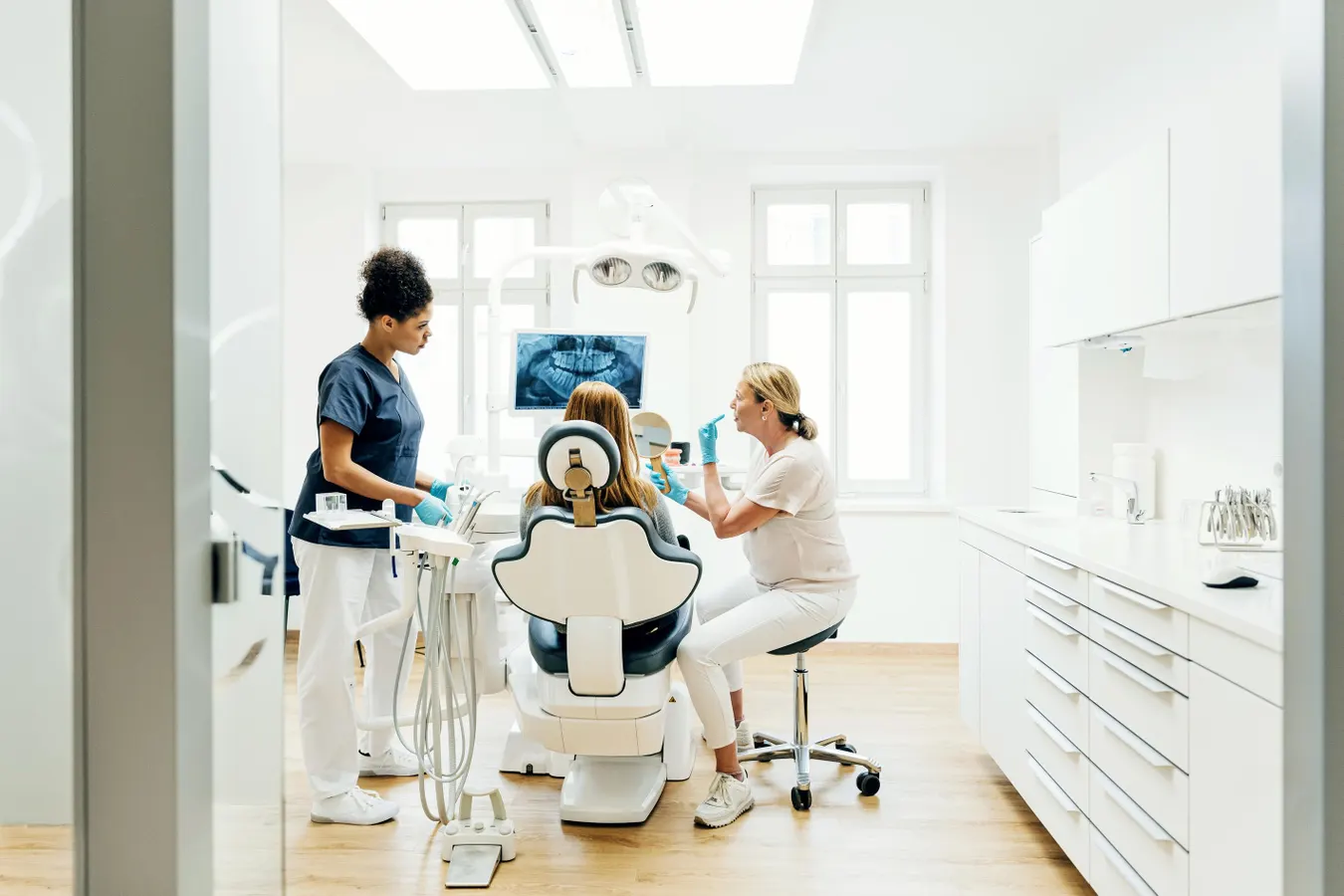
Contemporary orthodontic treatment approaches jaw mobility optimisation through evidence-based methodologies that consider both form and function. An experienced orthodontist utilises advanced diagnostic tools, including digital imaging and bite analysis technology, to assess not only tooth positioning but also jaw movement patterns and muscle function.
Diagnostic Technologies in Jaw Assessment
Modern orthodontic practices employ sophisticated diagnostic equipment to evaluate jaw mobility comprehensively. Three-dimensional imaging systems allow practitioners to visualise the relationship between teeth, jaws, and surrounding structures with unprecedented accuracy. Additionally, electromyography can measure muscle activity patterns, providing insights into how orthodontic issues affect muscular function and coordination throughout the jaw complex.
Treatment Modalities for Enhanced Jaw Function
The arsenal of orthodontic treatments available today extends well beyond traditional metal braces. Clear aligners, functional appliances, and customised orthodontic devices can address specific jaw mobility concerns whilst simultaneously improving dental alignment. These treatments work progressively to guide the jaw into optimal positioning, allowing muscles to function more efficiently and reducing unnecessary strain on the temporomandibular joint.
Functional appliances represent a particularly innovative approach to jaw mobility optimisation. These devices work by encouraging proper jaw growth and positioning during critical developmental periods. By guiding the natural growth process, orthodontists can help establish optimal jaw relationships that support lifelong mobility and function.
The Connection Between Orthodontics and TMJ Disorders
The relationship between orthodontic treatment and temporomandibular joint disorders has garnered significant attention within the dental community. Orthodontic interventions for TMJ-related issues demonstrate how proper alignment can alleviate symptoms such as jaw clicking, muscle tension, and restricted movement. When teeth are properly aligned, the jaw can function within its natural range of motion without compensatory movements that strain surrounding structures.
Research indicates that individuals with severe malocclusions are more likely to experience TMJ-related symptoms. Comprehensive jaw alignment treatment approaches address these concerns by establishing proper occlusal relationships that support natural jaw movement patterns. This holistic approach considers not only immediate comfort but also long-term joint health and function.
Long-term Benefits of Optimised Jaw Mobility
The advantages of properly functioning jaw mechanics extend far beyond the oral cavity. Individuals with optimal jaw mobility often experience improved digestion due to more efficient chewing, clearer speech patterns, and reduced facial muscle tension. Furthermore, understanding the relationship between orthodontic treatment and jaw comfort helps patients appreciate the comprehensive nature of modern orthodontic care.
The psychological benefits should not be overlooked either. When individuals can speak, eat, and smile without discomfort or self-consciousness, their confidence and overall well-being improve significantly. An orthodontist in London patients trust understands that successful treatment encompasses both functional improvement and enhanced quality of life.
The Future of Jaw Mobility Optimisation
The science of orthodontics continues to evolve, with emerging technologies promising even more precise and effective treatments. As our understanding of jaw biomechanics deepens, orthodontic interventions become increasingly sophisticated, offering patients the opportunity to achieve optimal jaw mobility whilst maintaining the highest standards of oral health and aesthetic appeal throughout their lives.